


Every few years, something becomes “the thing”. Matcha. Air fryers. Cold plunges. And lately? Neurodiversity.
You might hear people say, “everyone’s a little ADHD now,” or “autism is everywhere”.
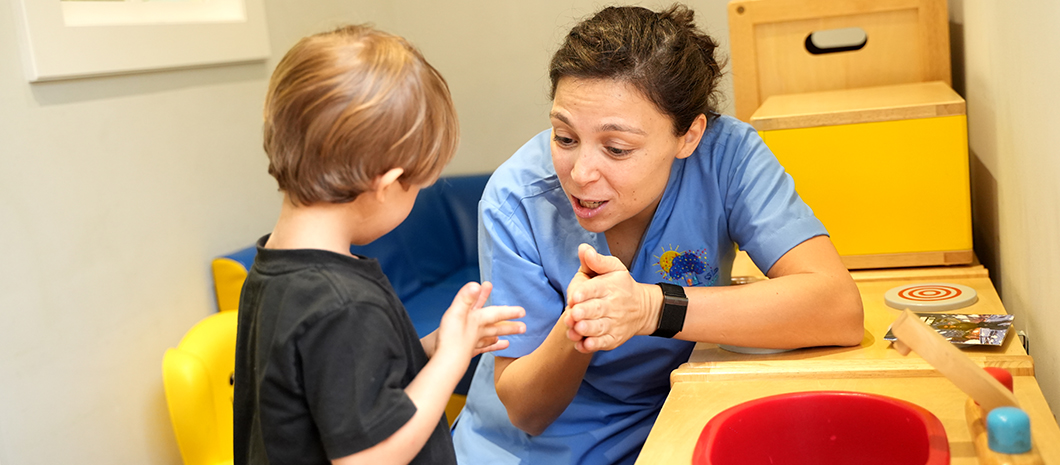
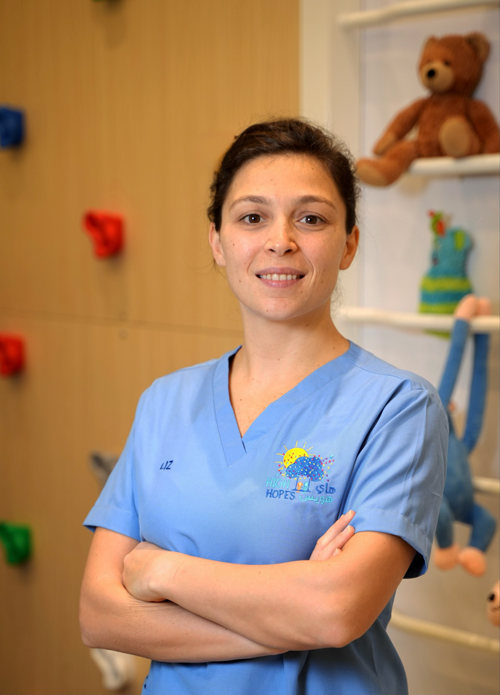
As a paediatric speech therapist, I can tell you this: one doesn’t choose to be neurodivergent.
It is not a lifestyle choice. It’s not a luxury belief. And it’s definitely not a trend.
So, what is Neurodiversity?
Neuro (brain) Diversity (variety): brains developing and working in a variety of ways.
Some brains are fast and idea-sparking. Mine definitely has 26 tabs open at the same time: I can be working, watching The Big Bang Theory in the background, checking on my mum back home, writing my to-do list, ordering groceries, and then forgetting why I opened the fridge.
Some are deeply focused and detail-driven. You know that person with a messy room who can tell you which piece of the puzzle is missing from their 2007 Harry Potter set.
Some feel everything loudly. Like that friend who can’t go to crowded concerts, or who cries when the cartoon banana is sad – and then cries again when it’s happy.
Some process language differently – I know you meant well by saying “break a leg”, but now I can’t stop imagining an orthopaedic surgeon.
Some need movement to think. They might get their daily 10,000 steps over a long phone call.
Some need quiet to function. They would lose it if you’re chewing loudly next to them.
This includes children and adults with diagnoses like ADHD, autism, dyslexia, developmental language disorder, sensory processing differences, and more.
But neurodiversity is not about labels. It’s about understanding that variation in brain wiring is normal in the human population.
Just like biodiversity makes an ecosystem stronger, neurodiversity makes society richer and more colourful. I mean, do we really need flies? Yes – apparently even flies are important to nature.
The problem isn’t the difference. The problem is environments that expect every brain to operate the same way.
It’s Not About Being “Nice”
Neurodiversity is not a kindness movement.
“Be empathetic.”
“Be inclusive.”
“Celebrate differences.”
Of course, kindness matters. But this goes deeper than you wearing blue on Autism Awareness Day or rocking mismatched socks on Down Syndrome Awareness Day.
Neurodiversity is about recognising children’s needs:
- They are not being “difficult”. They are dysregulated.
- They are not “lazy”. Their brains are overloaded.
- They are not “ignoring you”. Their processing speed or attention system works differently. (Okay, sometimes they are ignoring you. That happens too.)
When a child cannot access the part of their brain responsible for planning, language, impulse control, and flexible thinking, no amount of lecturing will fix it. The frontal lobe – the planner, the part that whispers “probably better not to say this out loud” – only comes online when the nervous system feels safe and regulated.
This, as you can see, applies to adults too. Ever tried having a calm discussion when you’re stressed, hungry, and running on three hours of sleep? Exactly. Ask all my friends: the hungrier I am, the more dysregulated I become.
In Speech Therapy, I See:
- Children whose bodies are moving so much that their brains can’t settle.
- Children who melt down not because they’re manipulative, but because their sensory world is too loud, too bright, too unpredictable. Or that tag on the back of their shirt is annoying them.
- Children who are incredibly intelligent but cannot access their language when anxious, or can’t organise the words fast enough.
And here’s what is heart breaking: many of them already think they are “bad” by the age of five.
Don’t get me wrong – neurodiversity isn’t about excusing behaviour. It’s about understanding it.
When we regulate (through movement, breathing, rhythm, predictable routines, and in my case: comfort food), communication improves. Planning improves.
Communication before speech, and regulation before communication. Every time.
Teachers, I Get You.
Classrooms are louder, faster, and more demanding than ever.
Children are expected to sit longer, process faster, work in groups, write neatly, and manage “big emotions”. For some brains, easy-peasy; for others, it’s like trying to run ten tabs on an old laptop with a slow Wi-Fi.
Don’t lower standards. But maybe the child needs:
- Movement before writing
- Visuals instead of verbal instructions
- Processing time before answering
Support doesn’t create weakness. It creates access.
Parents: It’s Not Your Fault
Let’s say this clearly. If your child struggles with attention, language, emotional regulation, or sensory overwhelm, it is not because you didn’t feed them enough fish oil. And it is not because you did not use the right sticker chart or token board.
You cannot reward a nervous system into regulation. What you can do is:
- Learn your child’s triggers
- Protect their regulation
- Advocate for accommodations
- Model your own regulation (yes, even when it’s hard – because you can’t regulate when you’re not regulated)
And trust me, many parents realise, during their child’s assessment process, that they see themselves in the description. That’s not a coincidence.
Neurodivergent children often have neurodivergent adults raising them.
Which brings me to something we don’t talk about enough.
Adults, This Is About You Too
Neurodiversity is not acne. It doesn’t disappear at 18.
It just gets renamed: burnout, anxiety, and imposter syndrome, and the ever-present question, ‘Why can’t I get a task done?’
If your brain struggles with planning, starting tasks, managing time, filtering noise, or regulating emotions, that is not a failure. That is a nervous system pattern – and the same rule applies: regulation activates the thinking brain.
Sleep. Movement. Predictability. Sensory awareness. Clear structure. And obviously, comfort food.
When adults understand their own nervous system, they become safer regulators for children. And regulated adults raise regulated children.
Not perfectly. Just consistently enough.
So, is It a Trend?
Left-handedness once “increased” dramatically too (when we stopped forcing children to switch hands).
But neurodiversity isn’t new. We’re just finally naming it instead of shaming it.
That’s not a trend. That’s progress.